

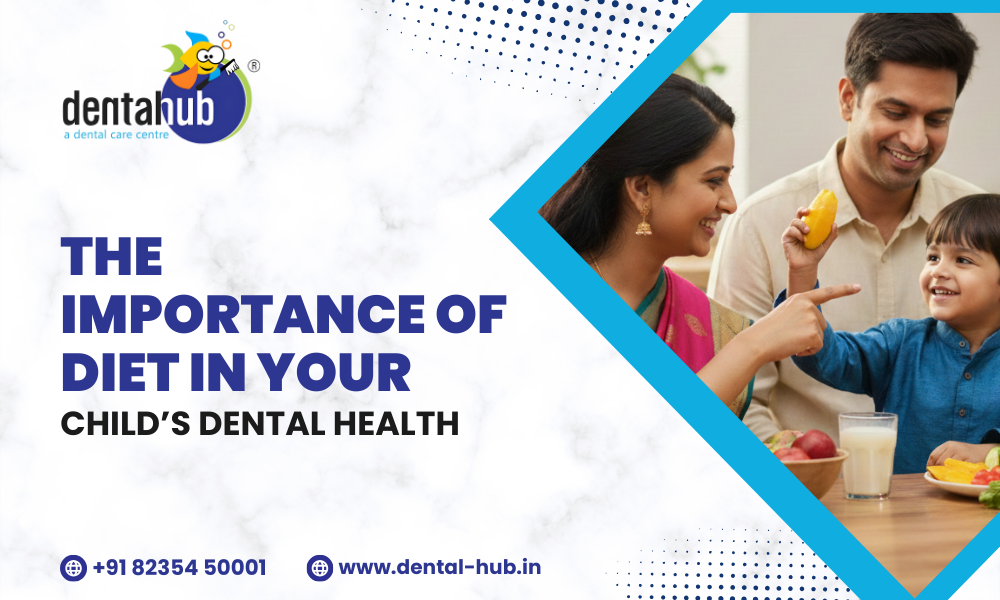
“I’m not eating it. It looks like tiny, gross trees. I want the chocolate biscuits. Right now.”
Broccoli had officially ruined Arjun’s evening. His plate sat untouched, pushed to the edge of the table, while his voice filled the kitchen. Priya was exhausted. It was late. Dinner had turned into another round of convincing, bargaining, and deep breathing.
She didn’t want to fight. She didn’t want to threaten. She just wanted him to eat something that wasn’t sweet or wrapped in plastic.
“Arjun, if you keep eating like this, your teeth are going to start hurting,” she said, already knowing how this would go.
“They’re fine,” he replied, flashing a huge smile with biscuit crumbs falling off the sides of his lips.
And so, Priya did what a lot of tired parents do. She reached for her phone. Not to lecture. Not to scare him. Just to find something simple that explained why food mattered without sounding like a warning. She landed on an article talking about children’s diet, their oral health, and more.
She showed Arjun the screen. There was a cartoon tooth wearing a cape.
He stopped yelling. “Why does the tooth have a cape?”
“Because it’s trying to protect itself,” she said. “Same way yours is.” And somehow, that got his attention.
If you’re a parent and this story sounds a little too relatable, welcome to the club. This guide will help you understand how to keep your little one’s teeth in great shape and how Dental Hub can become your partner with our specialized kids dental treatment in Jamshedpur.
What’s Really Going On Inside Your Child’s Mouth
Most kids think food is about taste. Sweet is good. Crunchy is annoying. Vegetables are suspicious. But inside the mouth, something else is happening.
Bacteria live in everyone’s mouth. That’s normal. Trouble starts when those bacteria get sugar. Biscuits, candies, sweet drinks, frequent snacking. The bacteria feed on sugar and release acid, and that acid slowly wears down the outer layer of the tooth, called enamel.
Enamel is strong. Really strong. But it’s not invincible. When acid attacks keep happening all day long, tiny weak spots form. That’s how cavities begin. Quietly and slowly. Often without pain in the beginning.
By the time a child complains, the damage is already there.
Why Some Foods Actually Help Teeth
Not all food causes problems. Some foods quietly protect teeth without anyone realising it.
Milk, curd, and cheese help because they contain calcium. Think of calcium as a repair material. It strengthens enamel and helps fix tiny scratches before they turn into something bigger.
Then there are crunchy foods. Carrots, apples, cucumber, and yes, even broccoli. These crunchy foods gently rub against teeth while chewing. They help remove leftover bits and get saliva flowing. And saliva is important. It washes away acid and balances the mouth.
The more your child chews firm, healthy food, the more their mouth cleans itself naturally.
Why Sticky Snacks Cause So Much Trouble
Some snacks are harder on teeth than others. Sticky ones cause the most damage.
Jaggery sweets, chewy candies, gummy vitamins, and bakery biscuits. They stick to teeth, especially the back ones. Even after drinking water, small bits stay trapped in grooves. That gives bacteria hours to do their work.
When children come in for kids dental treatment in Jamshedpur at our clinic, we often find cavities in these exact spots. Not because kids eat sweets once in a while, but because sticky food stays put.
Sometimes we place protective coatings over back teeth to block those deep grooves. It helps. But changing food habits helps even more.
The Juice Problem Most Parents Miss
“But juice is healthy. It’s fruit.”
That belief makes sense. But juice still has sugar. And the bigger issue is how kids drink it.
Sipping juice slowly over an hour means bacteria get fed again and again. Each sip starts a fresh acid attack that lasts about twenty minutes. If sipping continues all afternoon, teeth never get a break.
It’s better to have juice with meals and stick to water the rest of the time. Water doesn’t feed bacteria. It simply rinses things away.
Everyday Food Habits Add Up
Every place has its favourites. Sweet biscuits with evening tea. Jam on paratha. Sugary lassi. These foods aren’t villains on their own.
The problem is frequency.
If sugary foods are part of daily meals and brushing doesn’t happen properly afterward, teeth slowly suffer. This pattern is one reason so many families look for kids dental treatment in Jamshedpur. It’s not about birthday cake once in a while. It’s about everyday routines.
Small swaps help, like:
- Curd instead of jam
- Eggs or vegetables a few mornings a week.
These changes protect teeth without turning meals into battles.
The Timing Trick That Makes a Difference
One biscuit after school isn’t the real issue. It’s the constant munching they want. A bite here, a sip there. Something sweet during homework. Another snack in the car. Every sugar hit means another acid attack. Teeth need rest time between those attacks.
You can implement a few of these habits that help without constant nagging:
- Keep sweet foods with meals instead of all day
- Offer water after anything sugary
- Save sticky snacks for occasional days, not daily tiffin
The Bedtime Milk Habit
Many kids drink milk half-asleep. Milk has natural sugar. Add a biscuit, and bacteria get fuel all night.
If milk is part of bedtime:
- Finish milk first, then brush
- If brushing turns into drama, rinse and wipe teeth for younger kids
- Don’t let kids fall asleep with a bottle or sipper
Lunchbox Choices That Don’t Start a Fight
Kids don’t need perfect diets. They need options that work most days.
Some tooth-friendlier ideas:
- Paneer cubes, curd rice, or egg roll
- Roasted chana or makhana instead of sticky sweets
- One crunchy item daily, like a cucumber, a carrot, or an apple
Why Dental Visits Matter Even When Things Seem Fine
Good habits help. Dental visits still matter.
At Dental Hub, the focus isn’t on blaming parents or scaring kids. It’s about catching small problems early. Tiny cavities are easier to fix. Less discomfort. Less fear.
Dental tools today are gentler. Cleaning is quicker. Kids often realise the clinic isn’t scary once they understand what’s happening. Regular visits reduce the chances of bigger treatments later.
Giving Kids Control Changes Everything
Children handle dental visits better when they understand what’s going on. When dentists explain things simply, kids feel involved instead of forced. Food conversations get easier, too. Instead of “eat this because I said so,” it becomes “this helps keep your teeth strong.”
Kids like feeling responsible. Once they connect choices to outcomes, cooperation improves.
Small Habits Make a Big Difference
Parents often ask about toothpaste brands. But technique matters more.
Use a soft-bristled brush. Angle it slightly toward the gums. Don’t rush the back teeth. For younger kids, a pea-sized amount of fluoride toothpaste is enough. If flossing feels impossible, start with floss picks once or twice a week. Consistency beats perfection.
- Brush twice a day
- Drink water after sweets
- Include one crunchy food daily
- Limit sticky snacks
- Visit the dentist regularly
A Small Win Still Counts
Arjun looked at his plate again. Picked up a piece of broccoli.
“So this helps my teeth fight sugar bugs?” he asked.
Priya nodded. He took a bite. “Good.”
It wasn’t a perfect dinner. But it was a start.
If you’re dealing with similar food struggles, as most parents do, remember this: dental health doesn’t change overnight. It improves through small, realistic habits.
And when it’s time for a check-up, kids dental treatment in Jamshedpur at Dental Hub focuses on helping children feel comfortable, informed, and confident. Healthy smiles are built slowly. One habit at a time.