

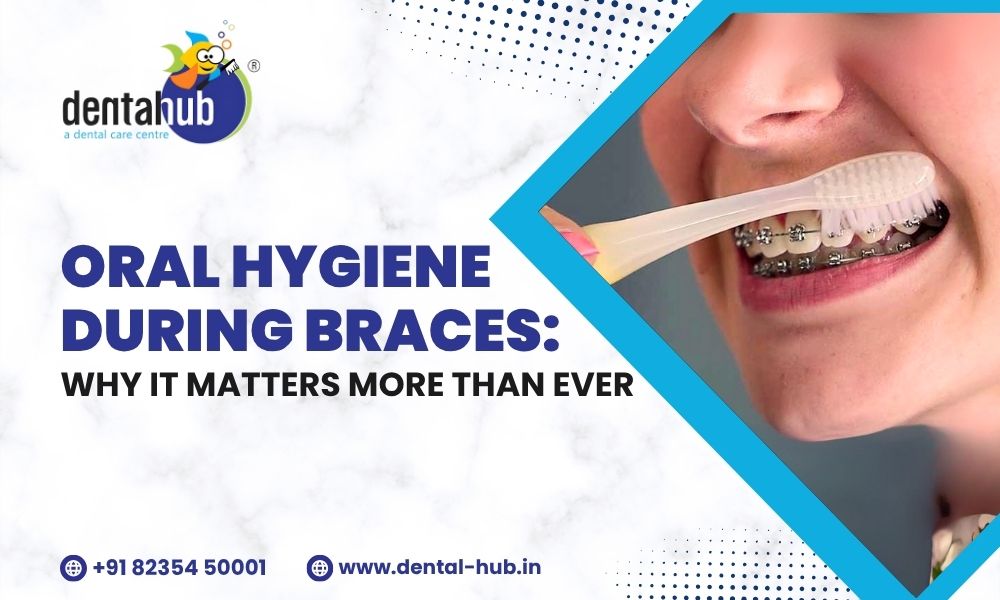
Undergoing braces treatment in Jamshedpur is a major investment in your smile and confidence. But improved alignment isn’t the only benefit; maintaining impeccable oral hygiene throughout the process is absolutely critical. Braces create tiny nooks where food particles and bacteria can hide, increasing your risk for cavities, gum disease, and even permanent discoloration.
This blog explores why oral hygiene during braces is more vital than ever and offers easy, effective tips to keep your teeth gleaming throughout your orthodontic journey.
Why Braces Make Hygiene a Bigger Challenge
Brackets and wires can trap:
- Food debris in tight corners
- Plaque buildup on wire interspaces
- Bacteria hiding in hard-to-reach spots
This makes brushing alone insufficient, potentially leading to problems like:
- White spot lesions around brackets, early demineralization
- Cavities under bands or along the gumline
- Inflamed gums and bleeding during brushing
- Bad breath due to trapped bacteria
If you’re seeking braces treatment in Jamshedpur, expect your orthodontist to stress oral hygiene from day one, because it directly affects treatment progress and results.
The Four Pillars of Braces-Friendly Oral Care
1. Brushing Technique Matters
- Use a soft-bristled or electric toothbrush with a small head.
- Brush at a 45° angle above and below each bracket to reach the gumline and bracket edges.
- Brush for at least 2–3 minutes, covering all surfaces, including behind the wire.
2. Don’t Skip Flossing
Consider a floss-threader or tools like Superfloss, soft, waxed floss with a rigid end to push under wires. Floss between each tooth at least once a day to remove hidden food particles and reduce gum inflammation.
3. Add Interdental Cleaners
Proxabrushes (interdental brushes) are essential for wearers of braces. They clean between brackets, wires, and teeth, areas that regular toothbrushes can’t reach.
4. Use Oral Rinses
Daily use of an antimicrobial or fluoride mouthwash helps reduce plaque buildup and strengthen enamel. Your orthodontist may recommend one with 0.05–0.2% fluoride content.
Braces-Friendly Oral Care Routine
Morning:
- Brush teeth thoroughly just after waking
- Floss or use an interdental cleaner
- Rinse with fluoride mouthwash
- Water rinse after breakfast
After Every Meal:
- Rinse vigorously with lukewarm water
- Use an interdental brush on metal parts
Evening:
- Brush again after your last meal, at least 2 minutes
- Floss using a threader or Superfloss
- Use a fluoride rinse before bed
Consistency beats occasional effort.
Foods to Avoid When You Have Braces
With braces treatment, your orthodontist will warn you about avoiding:
- Hard, crunchy foods (nuts, hard candies, raw carrots)
- Sticky, chewy items (caramel, gum)
- Chewy bread (bagels, pizza crust)
- Popcorn, ice, hard chips
These can damage wires or brackets, interrupt progress, and increase hygiene difficulties if broken pieces remain stuck. Opt instead for softer alternatives like:
- Smoothies
- Soft fruits (bananas, steamed apples)
- Soups
- Yogurts
Why Oral Hygiene Affects Braces Progress
Negligence can cause:
- Decalcification occurs once the enamel erodes, and those white marks are permanent
- Delayed Treatment due to extra appointments or bracket replacements
- Inflamed Gums, which interfere with tooth movement
- Receding Gums, risking irreversible damage
So, maintaining hygiene isn’t just for good oral health; it’s integral to successful braces treatment. Looking for braces treatment in Jamshedpur? Look no further than Dental Hub Dental Clinic.
Tips to Stay Motivated
- Daily Diary or App: Track brushing, flossing, and appointments
- Visual Reminders: Take weekly photos to see clean, gradual changes
- Rewards System: Non-food rewards for consistent oral care
- Family Support: Team up with family members for brushing check-ins
Motivation matters, especially over the 18–to 24–month period that braces typically require.
Common Problems & How to Handle Them
| Problem | Cause | Solution |
| Sore gums | Food trapped, wires rubbing | Use a saline mouth rinse; adjust wires if painful |
| Loose bracket | Hard eating or trauma | Visit your orthodontist to reattach |
| Broken wire | Disrupted by crunchy foods | Use orthodontic wax as a temporary fix and book an appointment |
| Persistent bad breath | Bacteria buildup | Improve hygiene and rinse regularly |
Quick responses keep treatment on track and comfortable.
Why Trust Dental Professionals in Jamshedpur
Searching online for “braces treatment in Jamshedpur“? Choose a dental clinic recognized for:
- Regular hygiene education
- Modern tools (water flossers, submerging brushes)
- Experts in both orthodontics and preventive dental care
- Dedicated time in follow-up visits to check oral hygiene
These clinics ensure your brace treatment is effective and hygienic. If you are searching for a dental clinic that has all the above-mentioned points and safety standards for braces treatment in Jamshedpur, then your search ends at Dental Hub.
Final Thoughts
Wearing braces is a journey toward a beautiful, healthy smile, but maintaining excellent oral hygiene during treatment is important to reach that destination without complications. It prevents enamel stains, gum issues, and treatment delays.
If you’re looking for braces treatment in Jamshedpur or want to know the cost of braces treatment, book an appointment with our experts at Dental Hub.
Invest in the future of your smile by brushing thoroughly and consistently caring for your teeth. Enjoy the braces process as part of your transformation.
Frequently Asked Questions (FAQs)
Q1. How often should I brush with braces?
At least three times per day, plus rinsing after meals, is recommended. More rinsing is better if possible.
Q2. Can I still eat cheese or crackers?
Yes, cheese helps neutralize acid, and soft crackers are okay. Avoid hard, sticky, and sugary foods.
Q3. Are electric toothbrushes recommended?
Yes, they can reach around brackets more effectively and encourage longer brushing.
Q4. What should I do if my gums bleed?
Rinse with warm salt water, improve flossing, and visit your orthodontist for assessment.
Q5. When should I get professional cleaning?
Every 6 months, or more frequently if recommended by your dentist.